Introduction
Wound care is a crucial aspect of nursing and medical method that demands a high degree of competence, specifically when managing complicated and persistent wounds. With the increase of problems such as diabetes mellitus and vascular conditions, the demand for specialized injury treatment has never ever been more pressing. This article digs deep right into advanced methods in complex wound care, focusing on training understandings for health care experts. It covers various aspects, consisting of wound care specialist training, nursing wound care training, and monitoring strategies for persistent wounds.
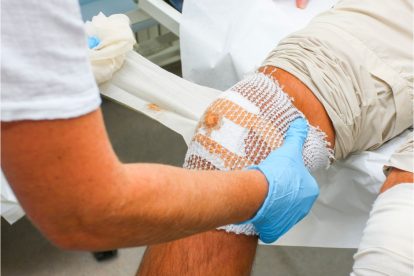
The trip in the direction of ending up being a skilled wound treatment expert entails rigorous education and useful experience. This post aims to give not only comprehensive understandings into the approaches and practices of advanced injury care but also highlights the relevance of continuous knowing via different wound care training courses.
Understanding Facility Wounds
What Are Facility Wounds?
Complex wounds are specified as those that do not recover correctly or within an anticipated duration. They commonly emerge from various aspects consisting of underlying health conditions, bad circulation, or infections. Unlike severe injuries that generally recover within weeks, complex wounds can persist for months or perhaps years otherwise taken care of correctly.
Types of Facility Wounds
Diabetic Ulcers
Triggered by extended high blood glucose levels influencing blood flow and nerve function.
Venous Ulcers
Arising from inappropriate performance of venous shutoffs in the legs, causing pooling of blood.
Pressure Ulcers
Commonly referred to as bedsores; they create due to extended pressure on the skin.
Arterial Ulcers
Triggered by insufficient blood circulation to tissues as a result of tightened arteries.
Challenges in Managing Complicated Wounds
Managing facility wounds provides one-of-a-kind difficulties:
- Infection Control: Keeping the injury free from infection while promoting healing. Pain Monitoring: Numerous patients experience substantial discomfort related to their wounds. Nutritional Support: Ensuring that individuals obtain sufficient nutrition to promote healing.
Wound Care Specialist Training
Importance of Specialized Training
Wound treatment needs specialized expertise and skills that go beyond fundamental nursing education and learning. A thorough understanding of makeup, physiology, and the healing process is vital for effective treatment.
Components of Wound Care Professional Training
Anatomy and Physiology- Understanding skin layers and their functions.
- Differentiating between acute and chronic wounds.
- Learning just how to perform detailed assessments.
- Studying stages of injury recovery (hemostasis, inflammation, proliferation, redesigning).
- Familiarizing oneself with dressings, medicines, and progressed treatments like negative stress injury treatment (NPWT).
Wound Treatment Educating for Nurses
Why Nurses Required Specialized Wound Care Training?
Nurses play a crucial duty in taking care of client wounds efficiently. Specialized training equips them with required abilities to analyze injuries accurately and apply efficient therapy plans.
Core Subjects in Nursing Injury Treatment Training
Assessment Skills
Training nurses to determine indications of infection or complications.

Dressing Selection
Understanding which dressings are ideal for various sorts of wounds.
Patient Education
Teaching people regarding proper injury care at home.
Documentation Practices
Learning exactly how to record analyses and treatments accurately.
Wound Care Training Courses Available
Overview of Readily available Courses
There are various training courses offered ranging from basic wound care training to innovative expert programs targeted at experienced health care specialists seeking to deepen their expertise.
Basic Injury Care Training
- Designed for entry-level medical care providers. Covers basic principles such as composition, kinds of injuries, and basic clothing techniques.
Advanced Injury Treatment Certification Programs
- Targeted at knowledgeable registered nurses that wish to specialize further. Includes topics like NPWT, bioengineered cells, and multidisciplinary methods to wound management.
Nursing Wound Care Training: Key Focus Areas
1. Assessment Techniques
Accurate analysis is critical in figuring out the suitable therapy prepare for complicated wounds.
A Step-by-Step Guide:
Inspect the wound size utilizing standardized approaches (e.g., measuring tools). Evaluate bordering cells condition. Assess for indicators of infection (inflammation, warm). Document searchings for diligently for future reference.2. Evidence-Based Therapy Protocols
Using evidence-based techniques ensures that nurses employ proven methods in treating complex wounds effectively.
Example Treatment Method:
|Therapy Approach|Sign|| ------------------------|-------------------------------------------------|| Hydrocolloid Dressings|For non-infected shallow ulcers|| Alginate Dressings|For moderate-to-heavy exudate|| Antimicrobial Dressings|For infected or at-risk locations|
Chronic Wound Care Management Strategies
1. Multidisciplinary Approach
Involving a group comprising doctors, nurses, dietitians, physio therapists aids give extensive treatment tailored to individual person needs.
Benefits Include:
- Holistic person assessment. Coordinated treatment plans. Improved patient outcomes with collective effort.
2. Patient-Centric Education
Empowering individuals with understanding concerning their conditions can boost engagement in self-care methods which may bring about much better healing outcomes.
Educational Techniques:
- Provide easy-to-understand material regarding their condition. Conduct workshops talking about finest methods in home care. Encourage inquiries about medicines or lifestyle modifications related to healing processes.
NDIS Wound Treatment Considerations
The National Disability Insurance System (NDIS) addresses details demands related to disability assistance consisting of facility wound management approaches customized for people calling for continuous assistance with their wellness needs.
Importance in NDIS:
Accessing specialized services can significantly improve recovery outcomes. Tailored assistance strategies make certain that individuals obtain tailored attention throughout their healing journey. Ongoing education concerning self-management cultivates freedom amongst customers taking advantage of NDIS services.Advanced Strategies in Complex Wound Care: Arising Trends
As modern technology advances so does the field of wound management-- innovative items proceed reshaping traditional techniques while also improving recovery procedures dramatically!
Emerging Technologies:
1) Bioengineered Skin Substitutes
- Used mostly in serious burns or diabetic person abscess where typical therapies have actually failed; these alternatives promote quicker regeneration by mimicking natural skin properties!
2) Negative Stress Wound Therapy (NPWT)
- Utilizes suction modern technology motivating granulation cells growth while getting rid of excess exudate-- frequently used post-surgery or after trauma!
3) Telemedicine
- Facilitates remote consultations enabling experts gain access to without geographical restrictions! Individuals benefit substantially that might or else have a hard time accessing top quality medical care services due physical distance!
FAQs About Advanced Techniques in Complex Wound Care
1) What is associated with basic wound treatment training?
Basic wound care training covers important topics such as kinds of injuries, first evaluation strategies, dressing option based upon exudate degrees-- all developed for entry-level practitioners!
2) For how long does it require to become a qualified injury treatment specialist?
Certification programs normally call for several weeks/months relying on program complexity; most entail both theoretical coursework alongside sensible analyses making sure participants get firsthand experience!
3) Exists certain training offered via NDIS?
Yes! NDIS uses customized programs concentrating on persistent problems requiring continuous assistance including specialized trainings targeting caretakers helping with improved results among customers needing aid managing facility situations effectively!
4) Why should nurses pursue added certifications in advanced techniques?
Pursuing added accreditations wound care and management enhances skill sets allowing them address intricacies inherent within diverse populaces producing favorable outcomes by means of recognized procedures leading enhanced general person complete satisfaction rates across settings!
5) What are some common misconceptions concerning chronic injury management?
One misconception suggests all persistent wounds will recover offered adequate time-- however many call for intervention using evidence-based techniques together with routine tracking making certain ideal recovery aligned preferred outcomes achieved!
6) Exactly how can telemedicine enhance accessibility for individuals needing advanced treatments?
Telemedicine permits experts get in touch with remotely decreasing travel problems while boosting access offering timely evaluations leading better notified choices relating to personalized treatment prepares inevitably elevating top quality life clients experiencing considerable challenges managing conditions effectively!
Conclusion
Addressing intricate injuries needs specialized knowledge backed by durable training structures created particularly outfit healthcare specialists deal with intricacies associated taking care of difficult cases with confidence! Continual advancements technologies together with incorporation best methods ensure optimal healing end results recognized promoting much healthier lives among damaged people navigating challenges offered with diverse hidden variables adding advancement complexities ran into routinely!
Through committed efforts committed toward honing skills using thorough academic chances offered today-- from foundational fundamentals through professional level certifications-- medical care workers positioned equip themselves improve abilities serve those left under their watchful support promoting stronger community bonds built on durability among adversity dealt with daily by countless individuals fighting relentless health and wellness issues stemming complexities associated injuries received over time!